Who We Are

About

A local concrete contractor serving homeowners across Bronx, NY.

Home › About Us
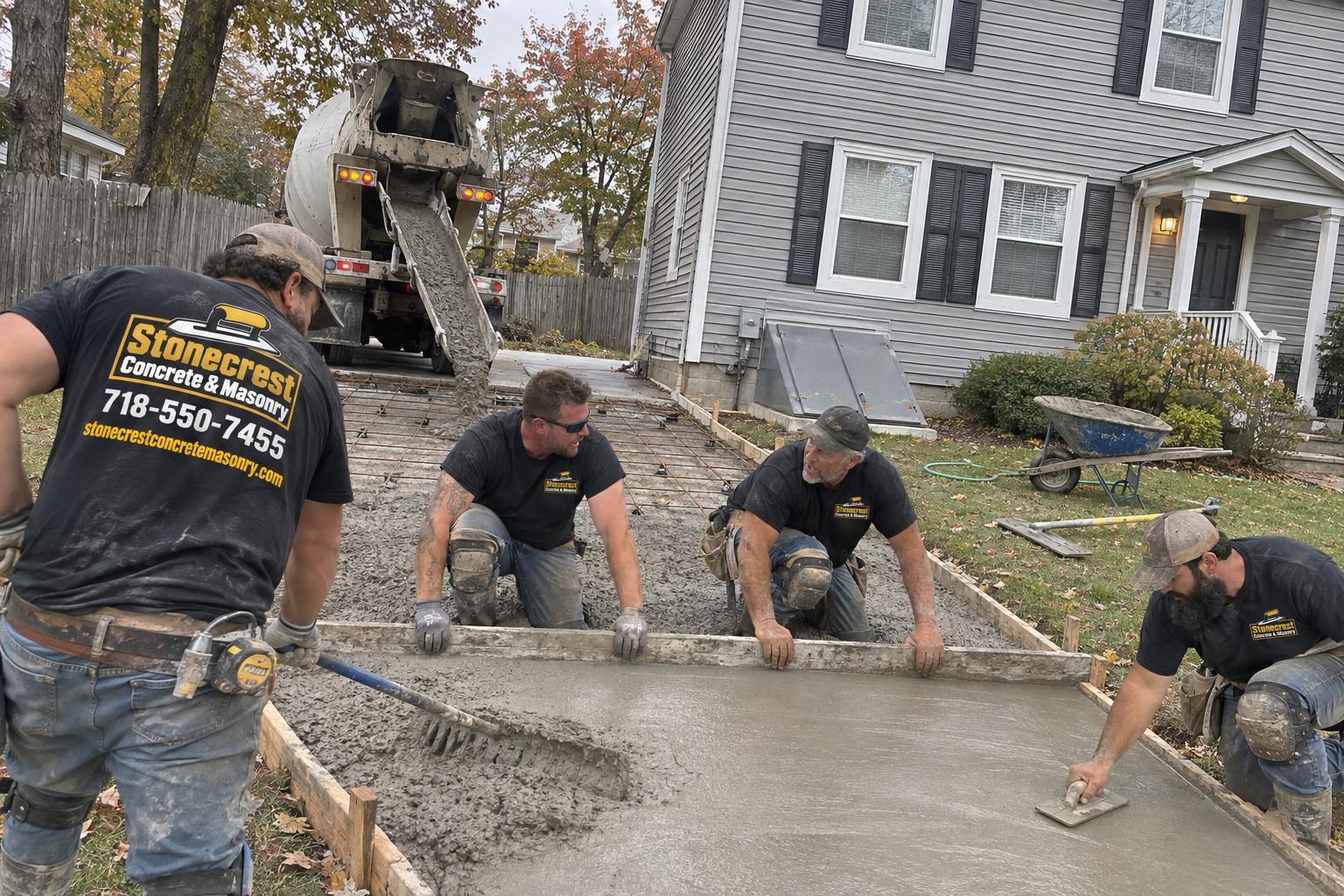
Stonecrest Concrete & Masonry crew
Our Story

How we approach a concrete job

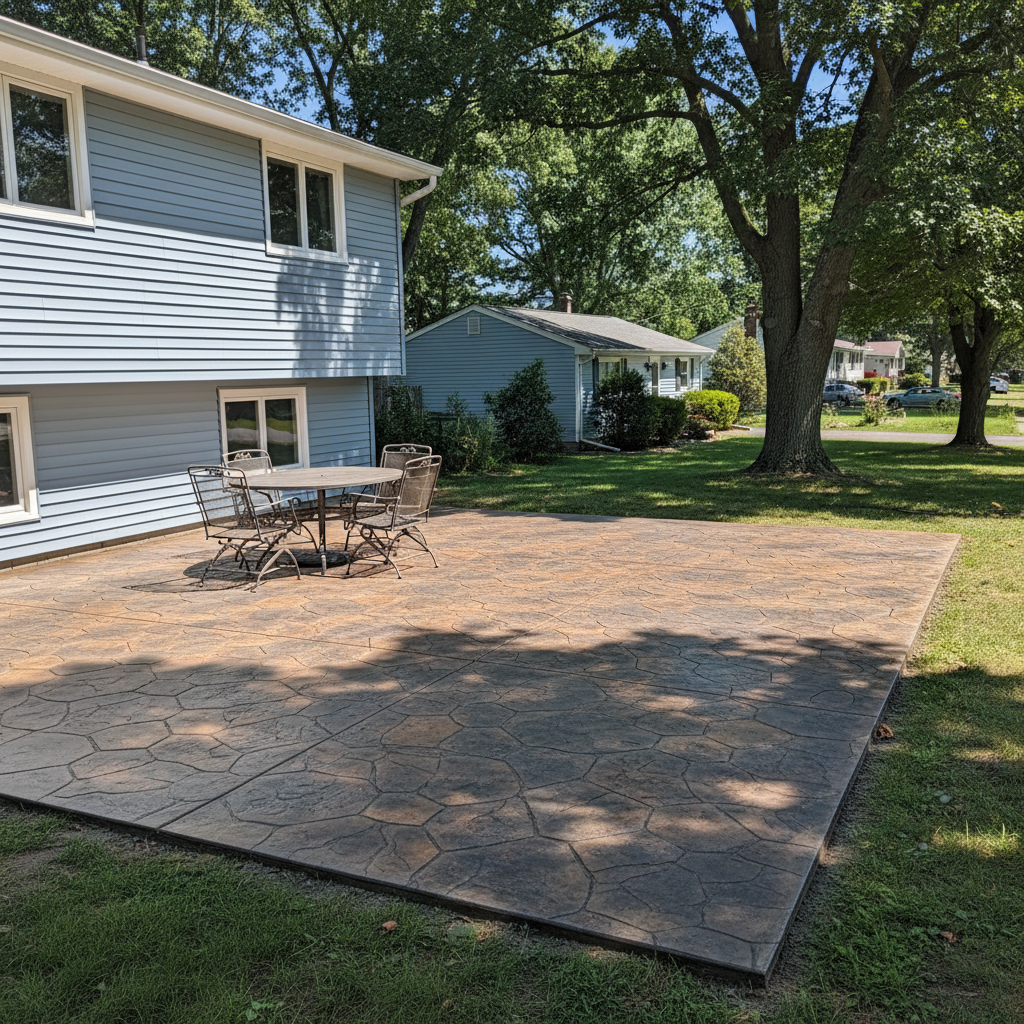
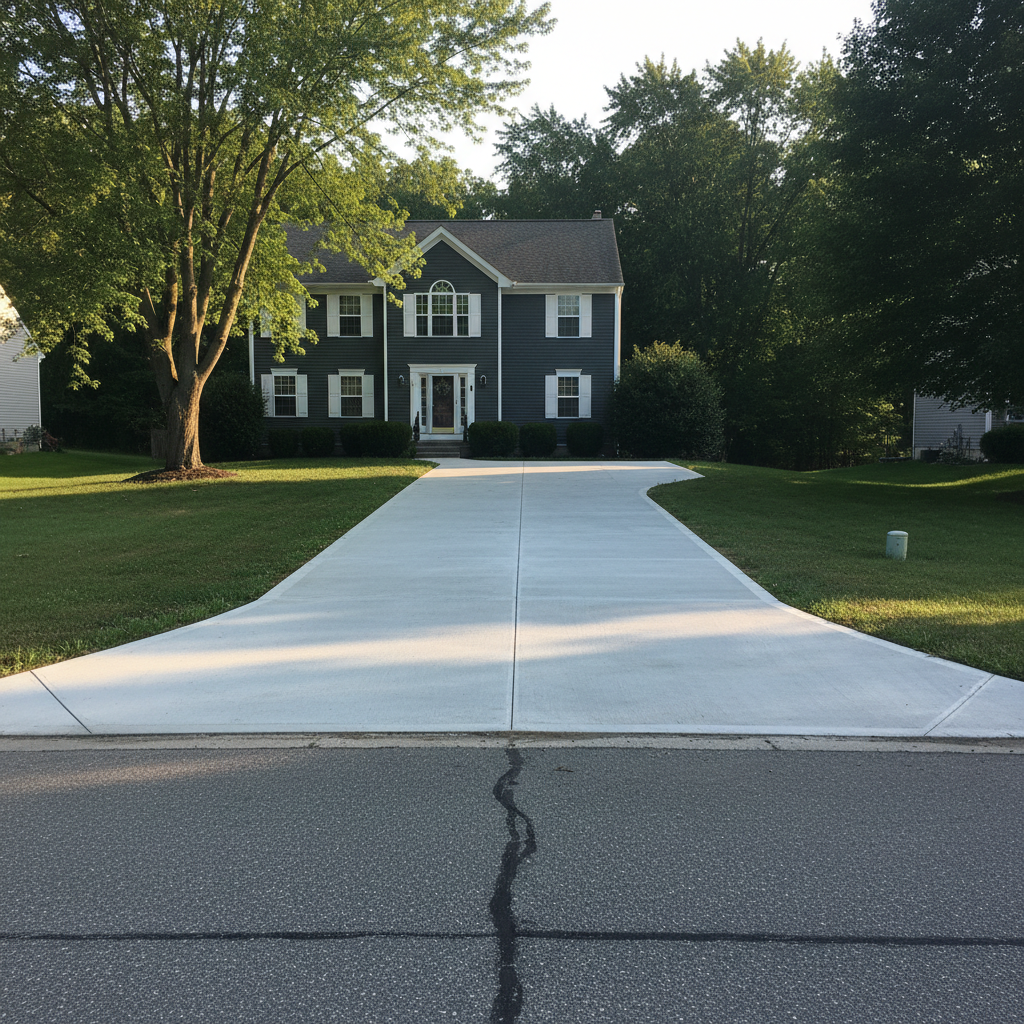
We pour concrete and lay brick and block for homeowners around the Bronx, driveways, patios, steps, sidewalks and retaining walls. Most of us came up doing this work for other contractors before going out on our own, pouring slabs and tuckpointing brick long before it was our name on the truck.

The problem that gets people to pick up the phone is almost always a crack, a sunken slab, or a stoop chipping at the edge, and the worry underneath that is whether it's going to get worse. We cut out the bad section down to solid material instead of skim-coating over it, because a patch poured over a failing sub-base just cracks again in a year. Whatever we pour gets jointed and pitched the same day, so you're not calling us back about the same crack next spring.

10+
Years Experience
500+
Projects Completed
12
Cities Served
Why Choose Us

What you get when you hire us

None of this is complicated. It is mostly just doing what we said we would do.

Licensed & Insured

Certificates are available on request, and we carry insurance that covers both the crew and your property. Masonry and concrete both involve heavy material and equipment, so proper coverage isn't optional.

Written Quotes

We walk the site, measure what needs pouring or repairing, and put a real number on paper. No verbal estimates that change once the truck shows up.

We Show Up On Time

Concrete work is weather-dependent, so when we book a pour date we build in a buffer and tell you early if rain is going to push it. You're not left guessing whether a crew is coming.

Our Own Crew

We don't sub out the pour to whoever's available that week. The people forming and finishing your slab are the same ones who walked your property.

Local to the Bronx

We know which blocks have clay fill under the topsoil and which neighborhoods have older sidewalk specs the DOT still checks for. That local knowledge affects how we dig and how we pour.

Clean Job Sites

Broken-out slab, leftover forms, excess mortar, it all leaves with us when the job is done. You shouldn't be the one sweeping up after a concrete crew.

Common Questions

Things people ask us

Questions about who you'd actually be hiring.

How long has this crew been doing concrete and masonry work?
Experience in concrete and masonry work generally comes from years of hands-on pouring, forming, and bricklaying before taking on jobs independently. Ask any contractor directly about their specific background and to see examples of completed work.
Is the work done by your own crew or subcontractors?
A dedicated concrete crew handles the forming, pouring, and finishing directly, without rotating in different subcontractors between the quote and the finished job. Consistency in who shows up matters because the crew that bid the job knows exactly what was agreed to.
Can I see examples of past concrete or masonry work?
Photos of completed driveways, patios, steps, and masonry repairs are typically available on request, and a contractor should be able to point to work in a specific neighborhood. Seeing a finished slab in person, if possible, shows the actual finish quality better than a photo does.
Why hire a smaller local contractor instead of a big company?
A smaller concrete contractor usually has the owner or a senior crew member on site for the pour itself, not just for the sales visit. That means decisions about jointing, pitch, and finish get made by someone who's actually done hundreds of them, on the spot.
Where is this business based?
Stonecrest Concrete & Masonry is based in the Bronx, NY, and works throughout the surrounding area within roughly a 50-mile radius. Being local means familiarity with the soil conditions and sidewalk codes specific to this part of New York.
How far in advance should a job be booked?
Spring and fall are the busiest seasons for concrete work, so booking two to four weeks ahead is reasonable during those months. Winter has more open availability since fewer pours happen once temperatures drop near freezing.
Is the site cleaned up after the job is finished?
Removing old concrete debris, leftover forms, and excess mortar is a standard part of finishing a concrete or masonry job, not an add-on. A finished job site should look like only the new work changed, not like a demolition happened.
What happens if something gets damaged on the property during work?
A licensed and insured concrete contractor carries liability coverage specifically to handle accidental property damage during a job. Get insurance certificates before work starts so there's a clear record of coverage if something does go wrong.
Will you finish a job another contractor started or walked away from?
Taking over a partially finished concrete or masonry job is common, though it usually requires inspecting what's already there before quoting, since the quality of the existing work affects whether it can be built on or needs to come out. Forms or reinforcement left from the original job get checked before any new concrete goes down.
How can a homeowner tell if concrete work was done properly?
Properly finished concrete should have control joints spaced at consistent intervals, usually every 8 to 12 feet, a slight pitch away from any structure, and no standing water after rain. Mortar joints on masonry work should be consistent in width and color, without crumbling or gaps where water can get in.

Got something that needs doing?

Free estimate, a price in writing, and work we stand behind.

Call (718) 550-7455